
CANTON ST. GALLEN
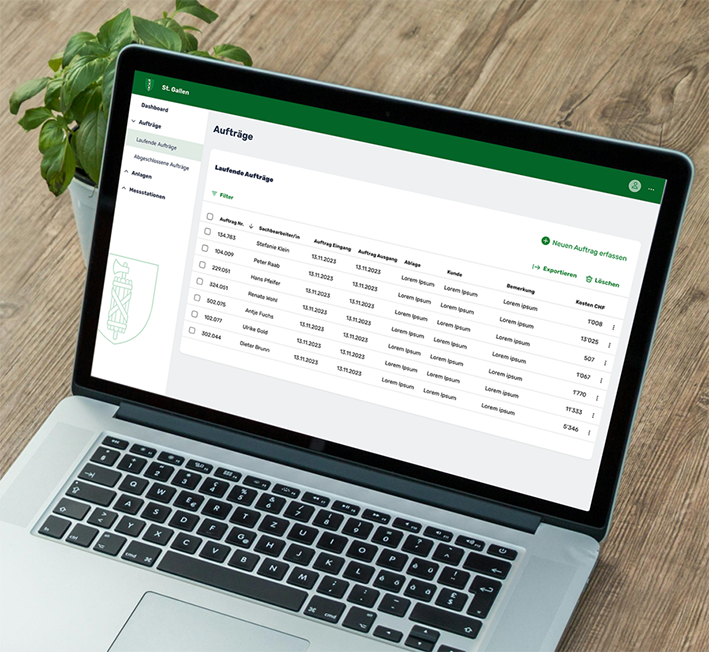
Public Sector Workflow Structuring
Designing high-fidelity desktop concept prototypes to structure complex public administration workflows within a regulated government environment.
Developed as part of a public tender submission, the focus was on translating predefined business logic into clear, component-driven interface systems across multiple administrative domains.
Project Scope
Concept prototyping and restructuring of selected administrative workflows — including tax processing and public service application management — for tender presentation.
Role: UX/UI Designer
Scope: Workflow Structuring · Information Architecture · Screen Flows · Component-Based UI · High-Fidelity Prototyping (Figma)
Project Context
The administrative environment operates within strict regulatory frameworks, fixed process logic, and high information density.
The challenge was not to redesign systems from scratch, but to bring structure, clarity, and usability to predefined workflow landscapes — under SAP-based and public sector constraints.
Product Challenges
Complex, SAP-driven workflow logic
Multi-step administrative processes
High information density in desktop context
Strict validation and approval structures
Limited room for structural change
Project Objectives
Clarify interaction structure and screen hierarchy
Reduce cognitive load through simplified flows
Align workflow logic with SAP Fiori UI patterns
Improve visibility of process states and validation
Deliver a clickable prototype for stakeholder review
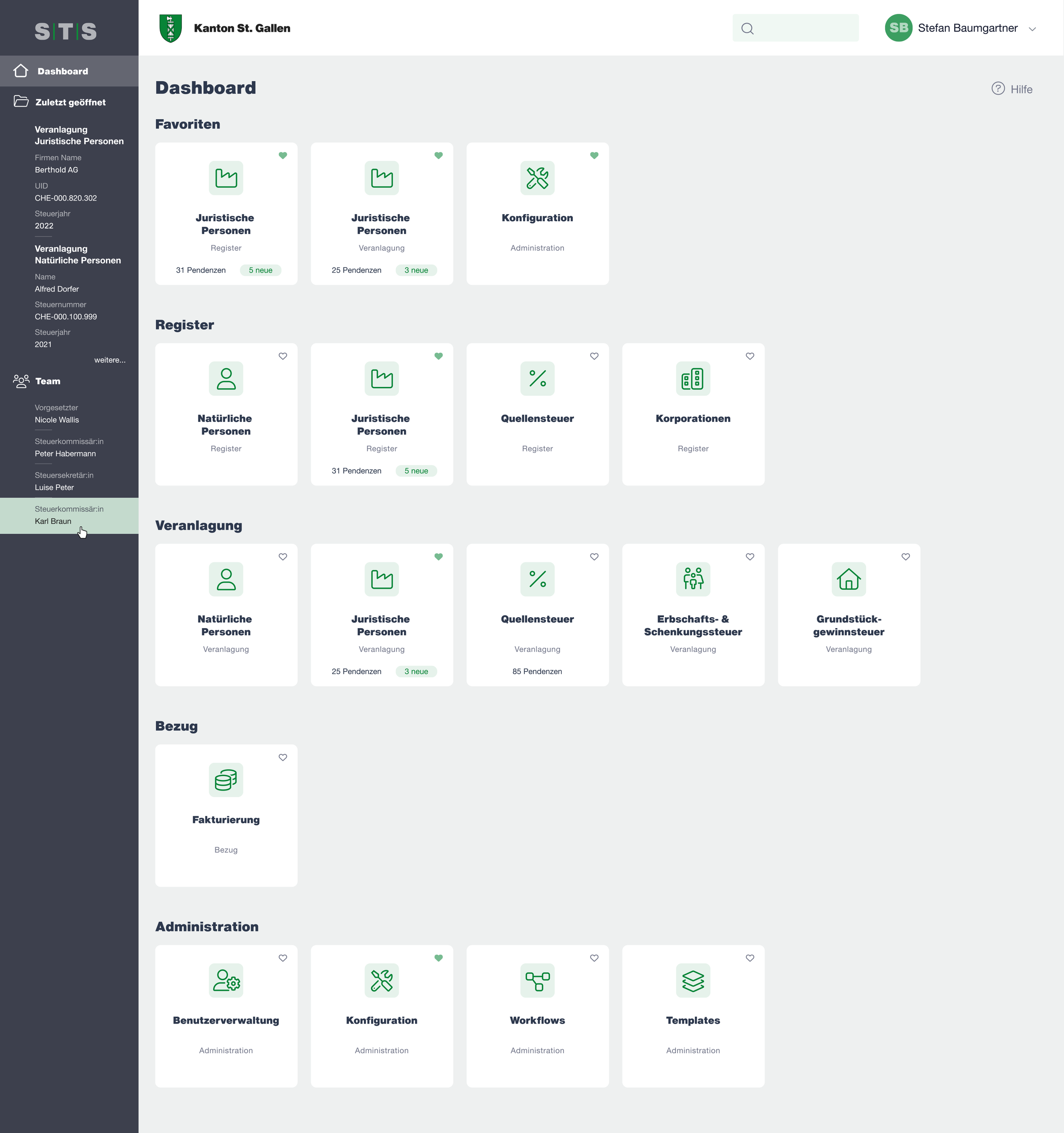
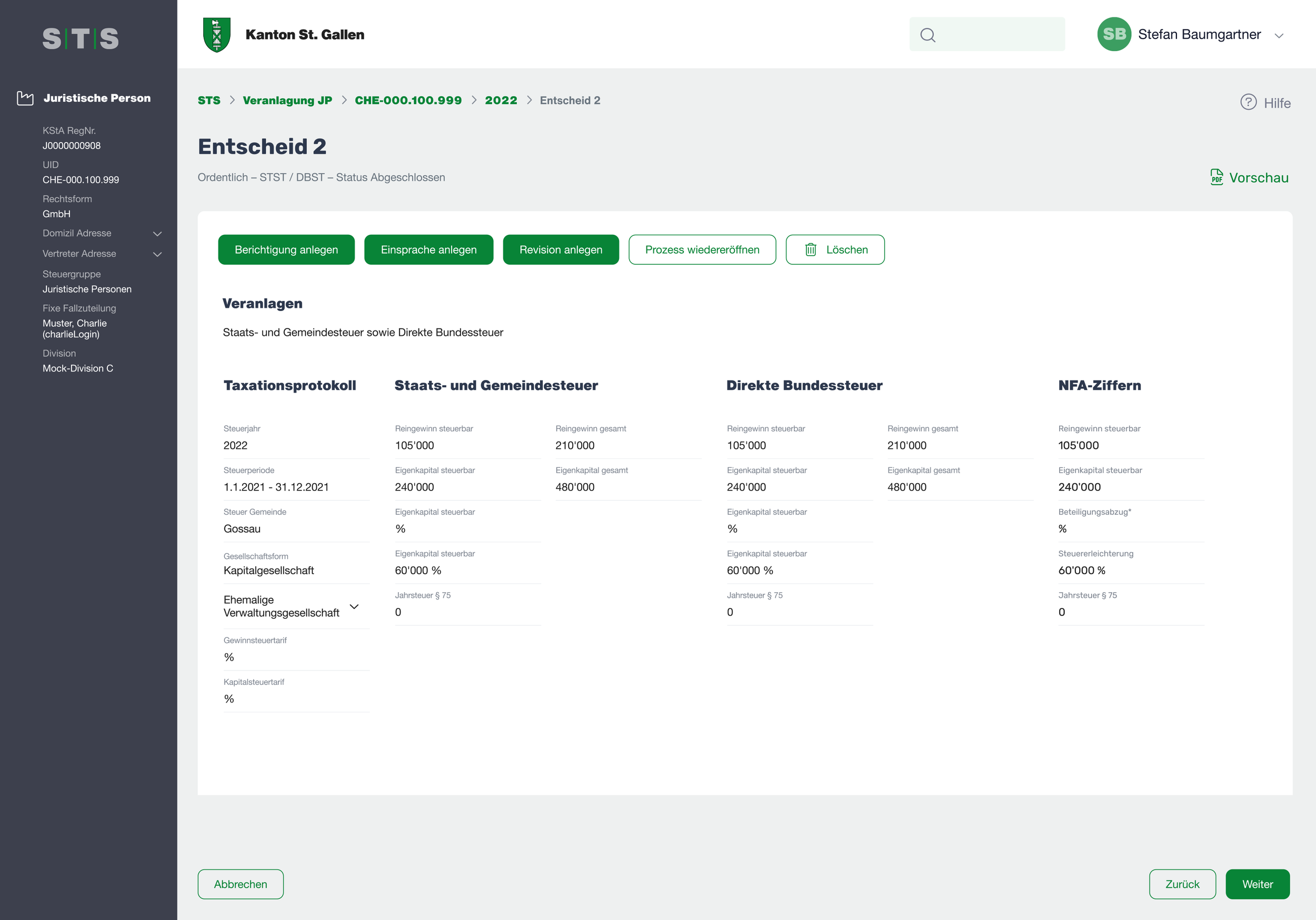
High-Fidelity Interactive Prototype – Tax Administration (SITIS)
A structured, multi-step desktop prototype built in Figma using SAP Fiori components. The prototype visualises selected administrative workflows and demonstrates a clearer, more guided interaction model within existing system constraints.
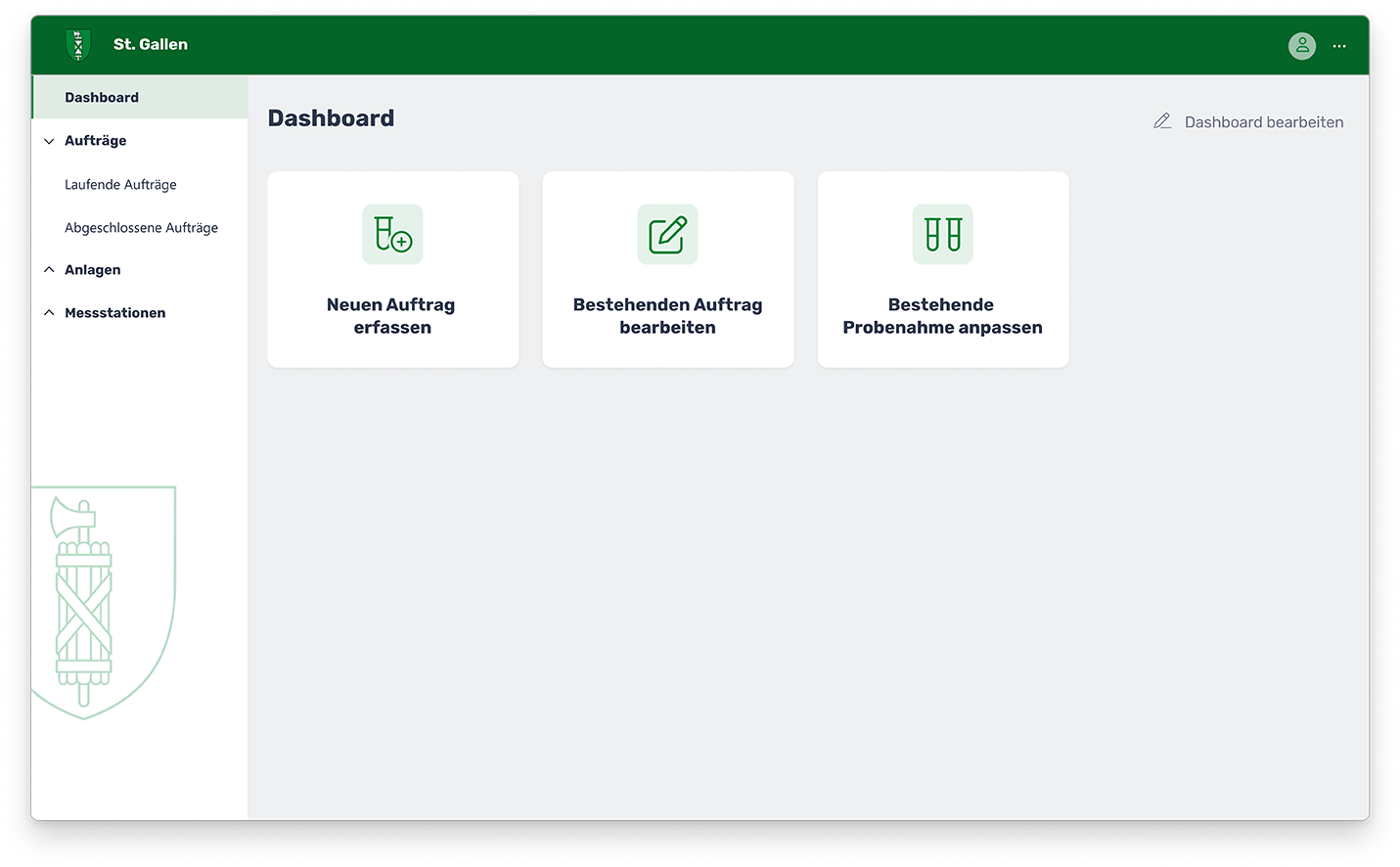
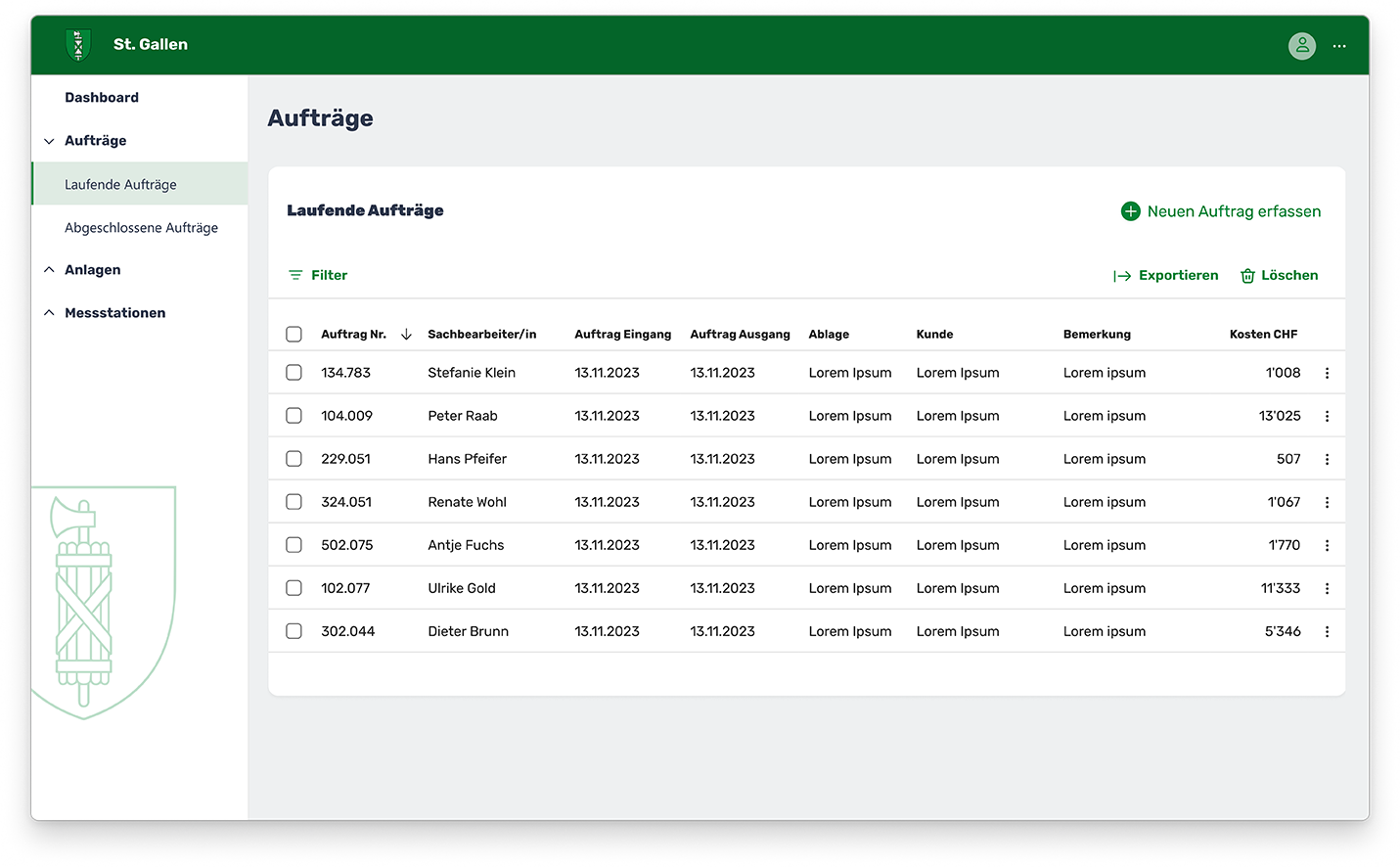
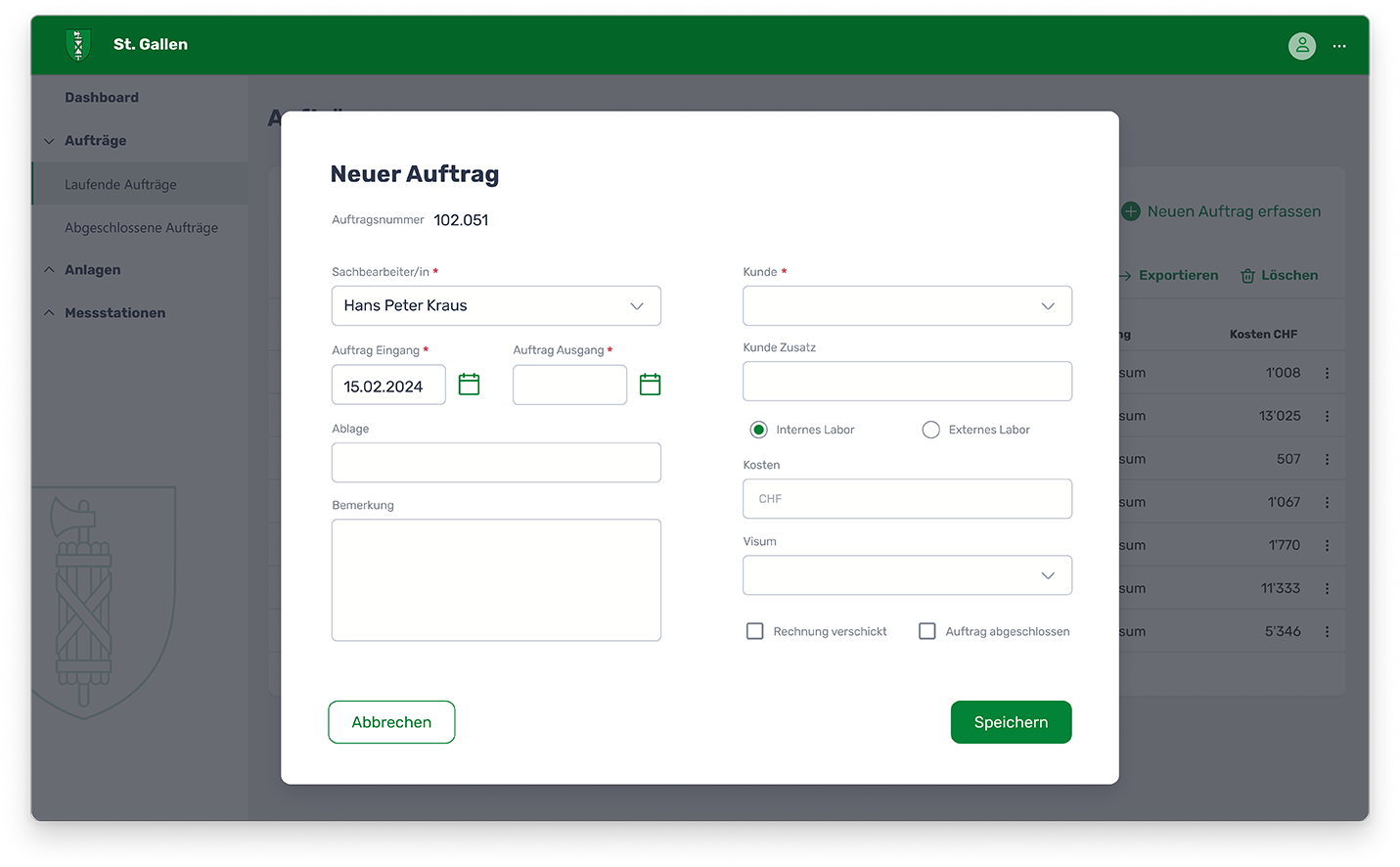
High-Fidelity Interactive Prototype – Environmental Services / Application System
A structured, multi-step desktop prototype built in Figma using SAP Fiori components. The prototype visualises selected administrative workflows and demonstrates a clearer, more guided interaction model within existing system constraints.
Conclusion
This tender project demonstrates the ability to translate complex public sector workflows into structured, scalable desktop interfaces across different administrative domains.