
CITYSOFTNET

Citysoftnet (CSN) - Design System & Mega Menu Architecture
Transforming a fragmented navigation structure into a unified, scalable system — supported by a comprehensive UI style guide and component library built in Figma.
The project focused on:
Establishing visual consistency
Creating reusable UI foundations
Redesigning the primary navigation into a responsive Mega Menu
Preparing the product for long-term scalability
Project Scope
Role: UX/UI Lead
Scope: Design System Development · Navigation Architecture · Mega Menu Concept · High-Fidelity Prototyping · Feature Exploration (Figma)
Project Context
The existing software lacked a centralized style guide and contained a fragmented navigation structure split between side navigation and top navigation.
The goal was to establish a consistent visual and structural foundation while simplifying access to core modules through a unified Mega Menu approach.
Product Challenges
The existing software had grown over time and lacked a unified visual and structural foundation.
Navigation was split between top and side menus, creating fragmentation and unnecessary complexity.
At the same time, the product contained complex HR evaluation logic with role-based responsibilities, validation rules, and high data density in a desktop environment.
This required clarity, consistency, and a more structured interaction system.
Project Objectives
The goal was to bring coherence to both the visual language and the navigation structure.
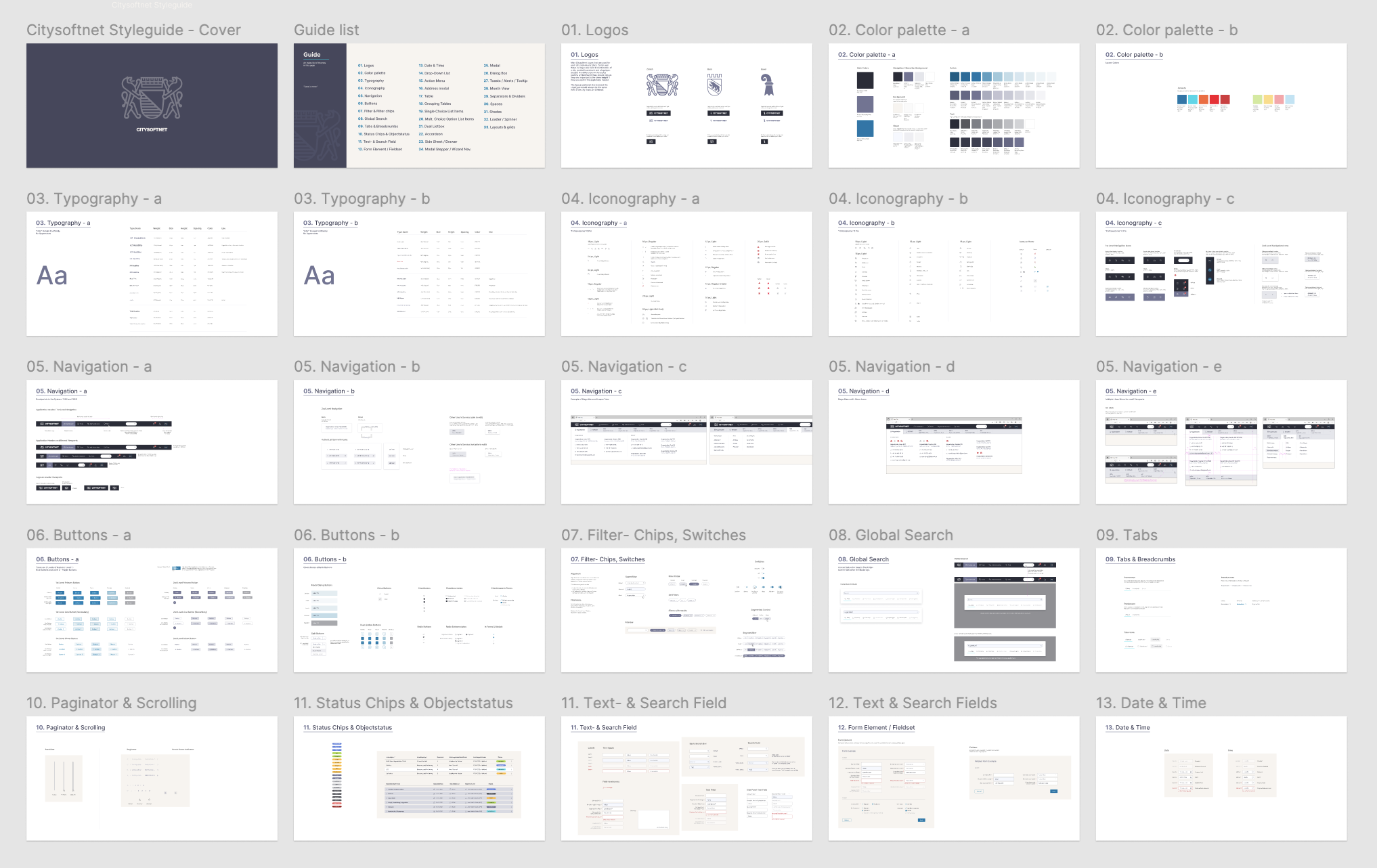
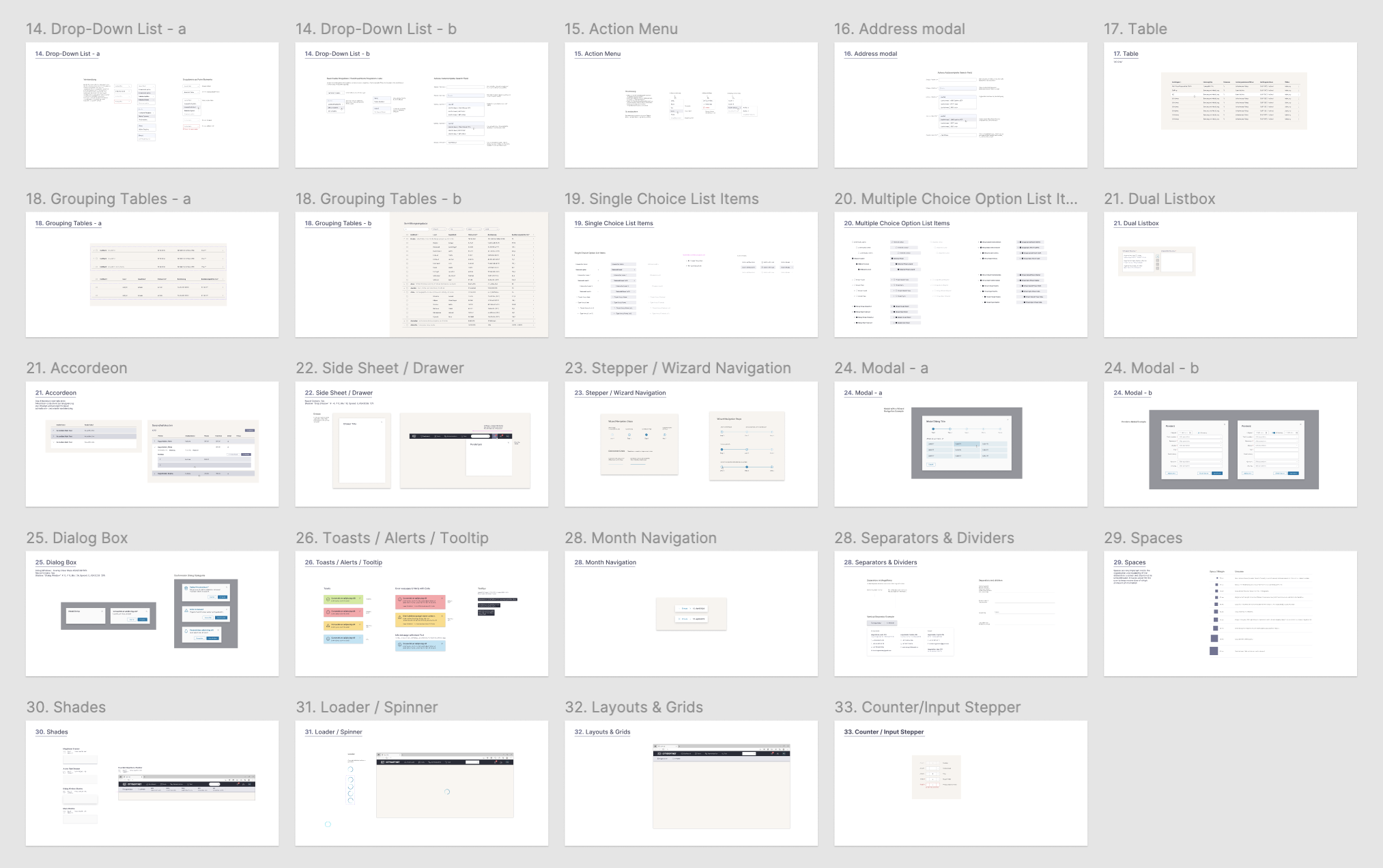
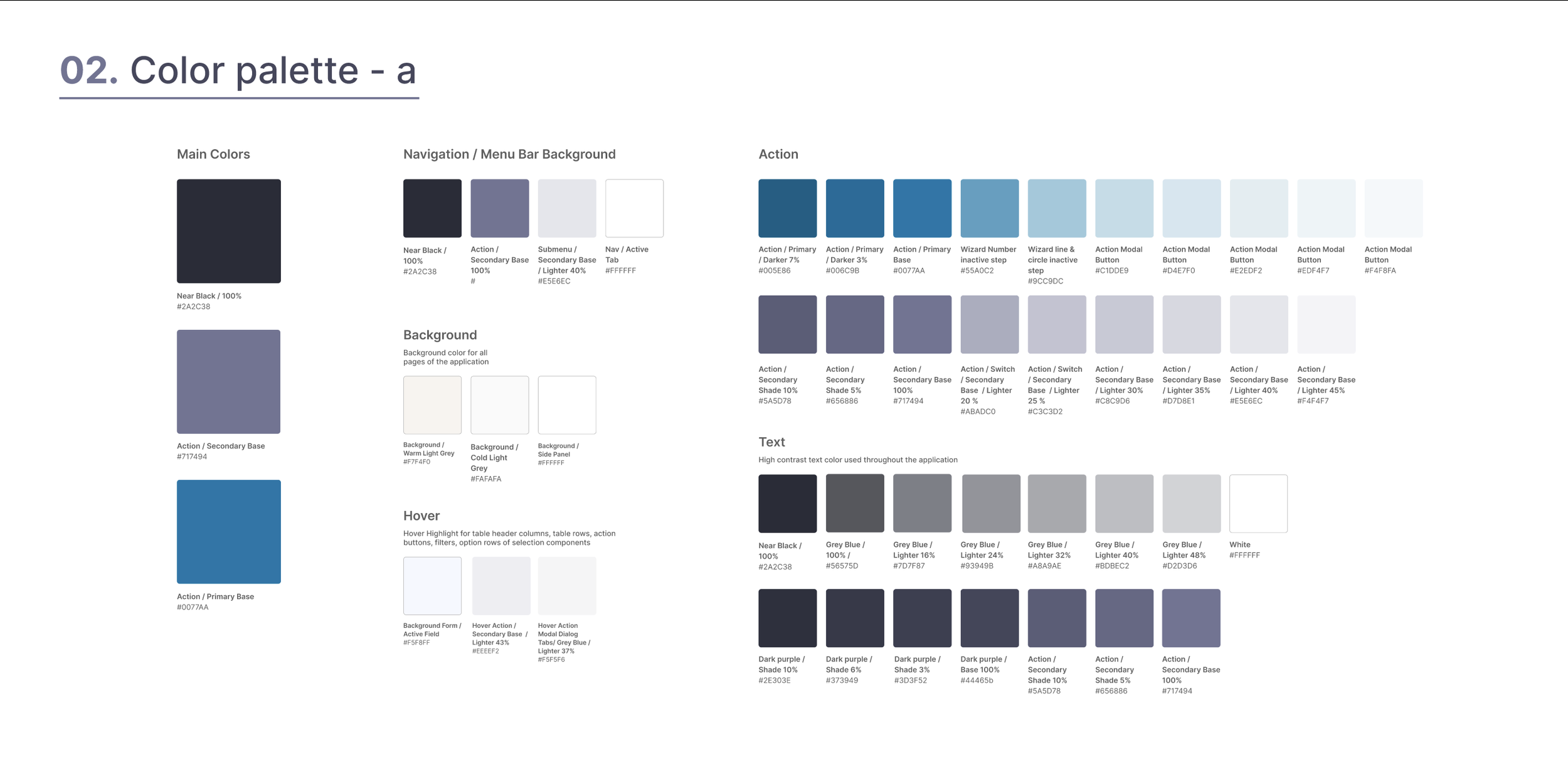
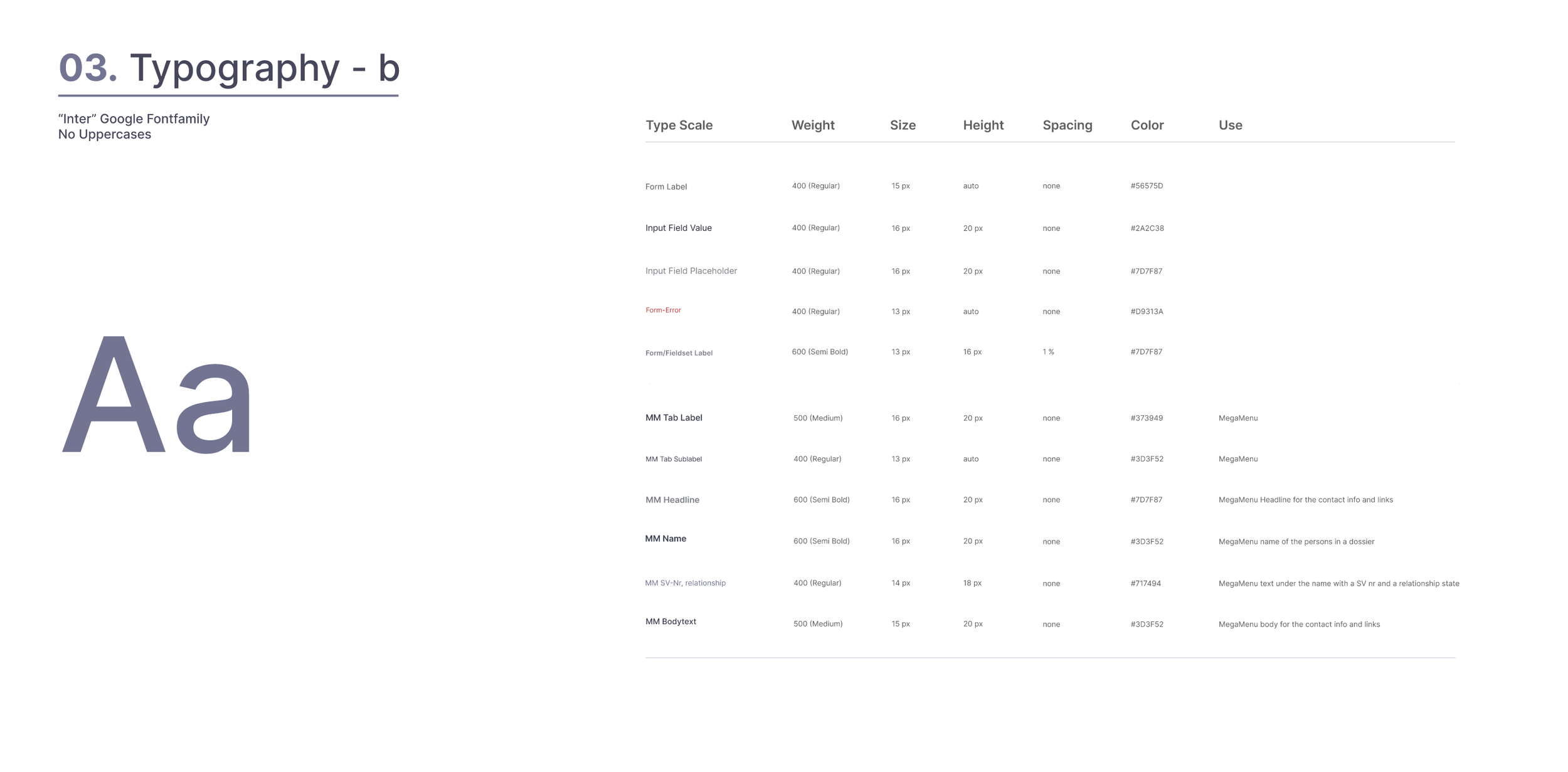
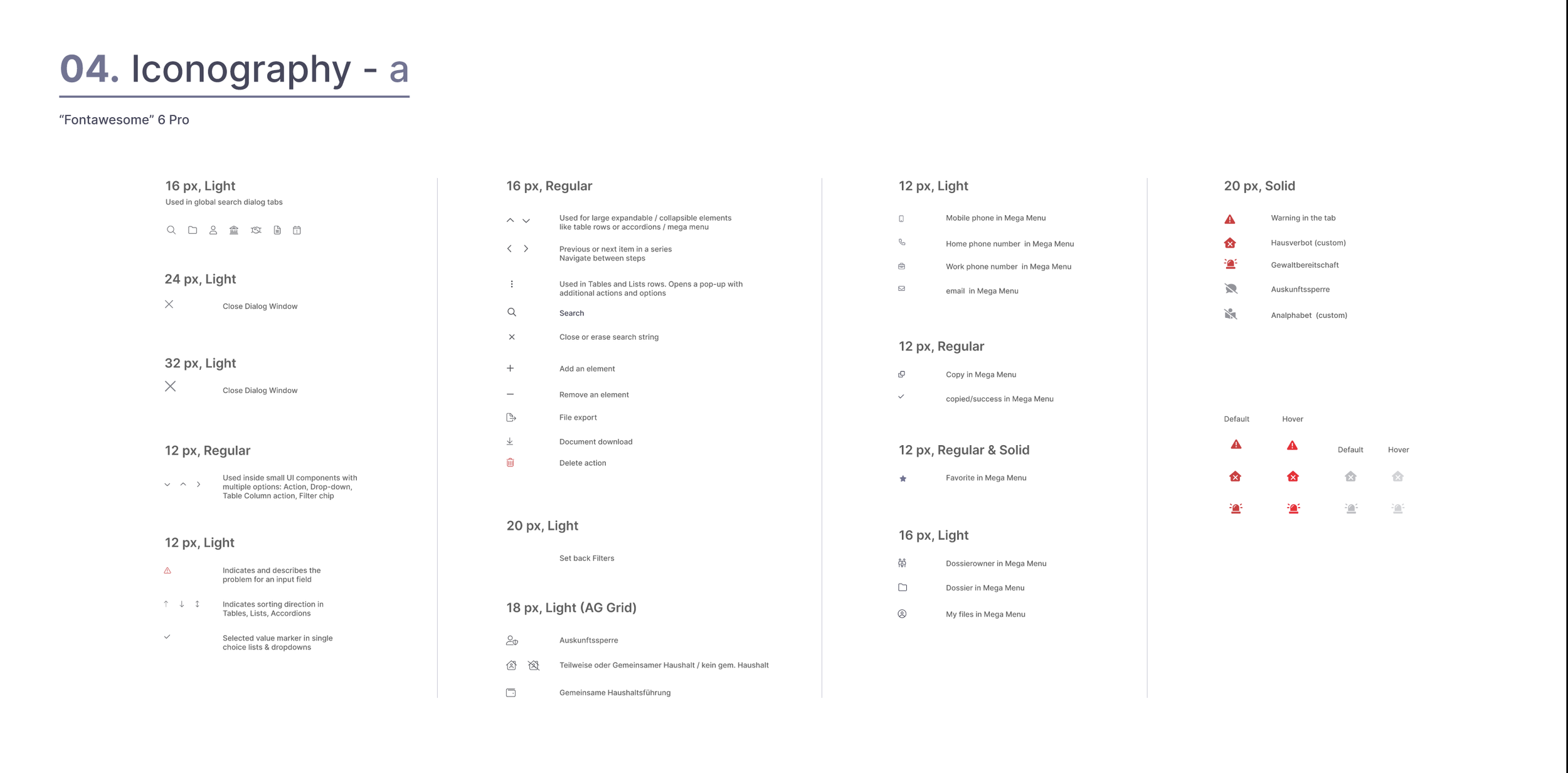
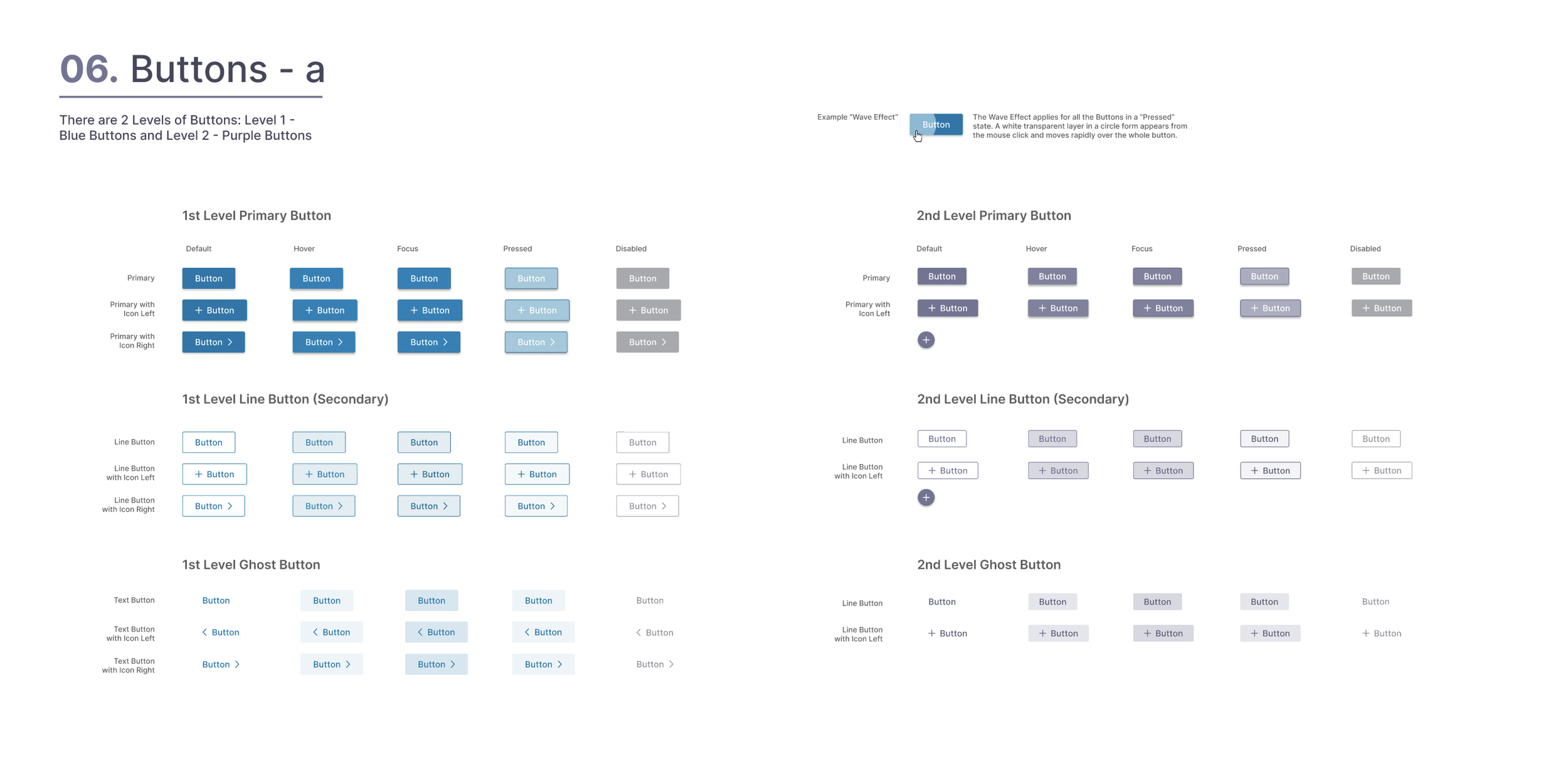
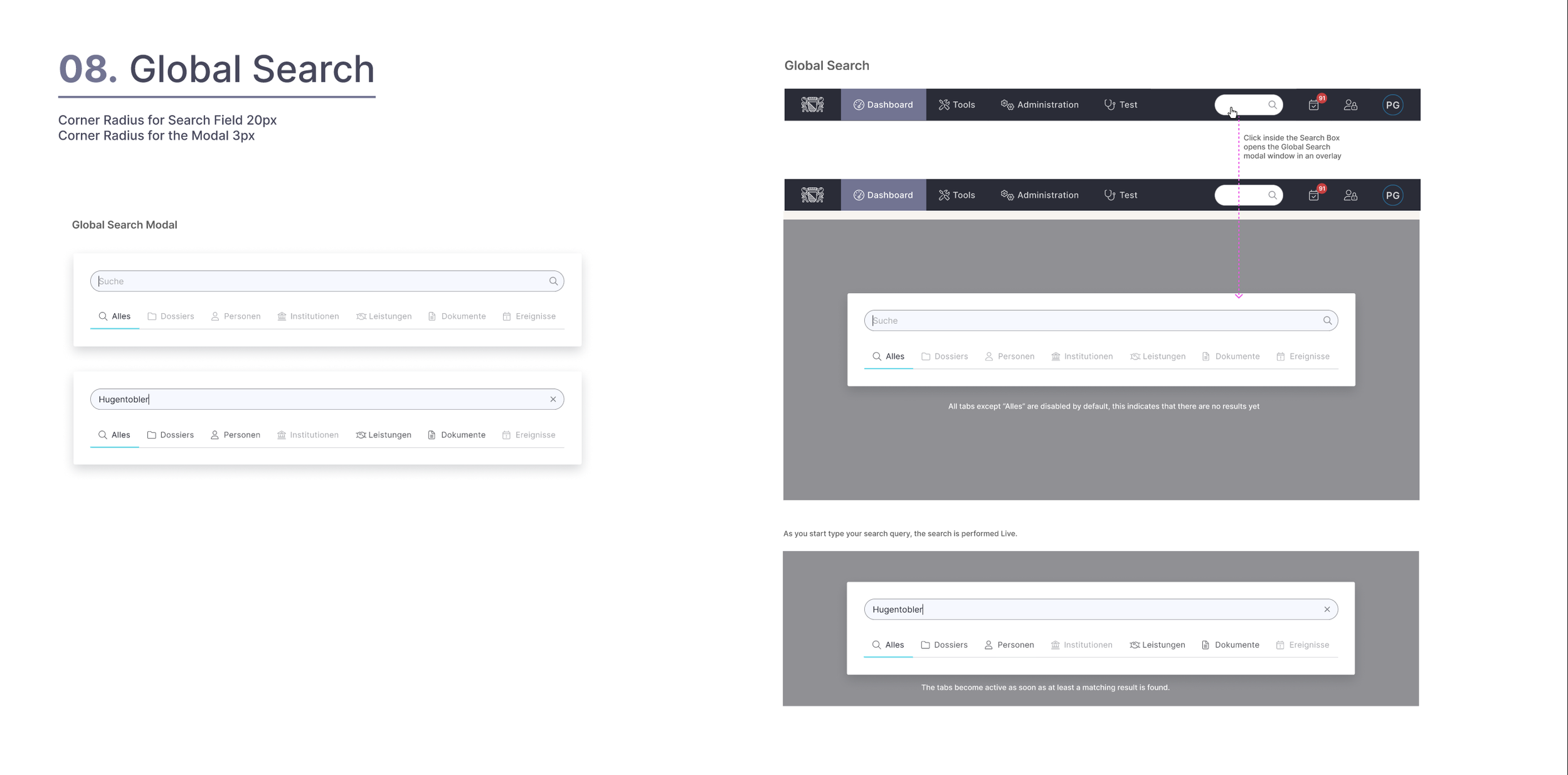
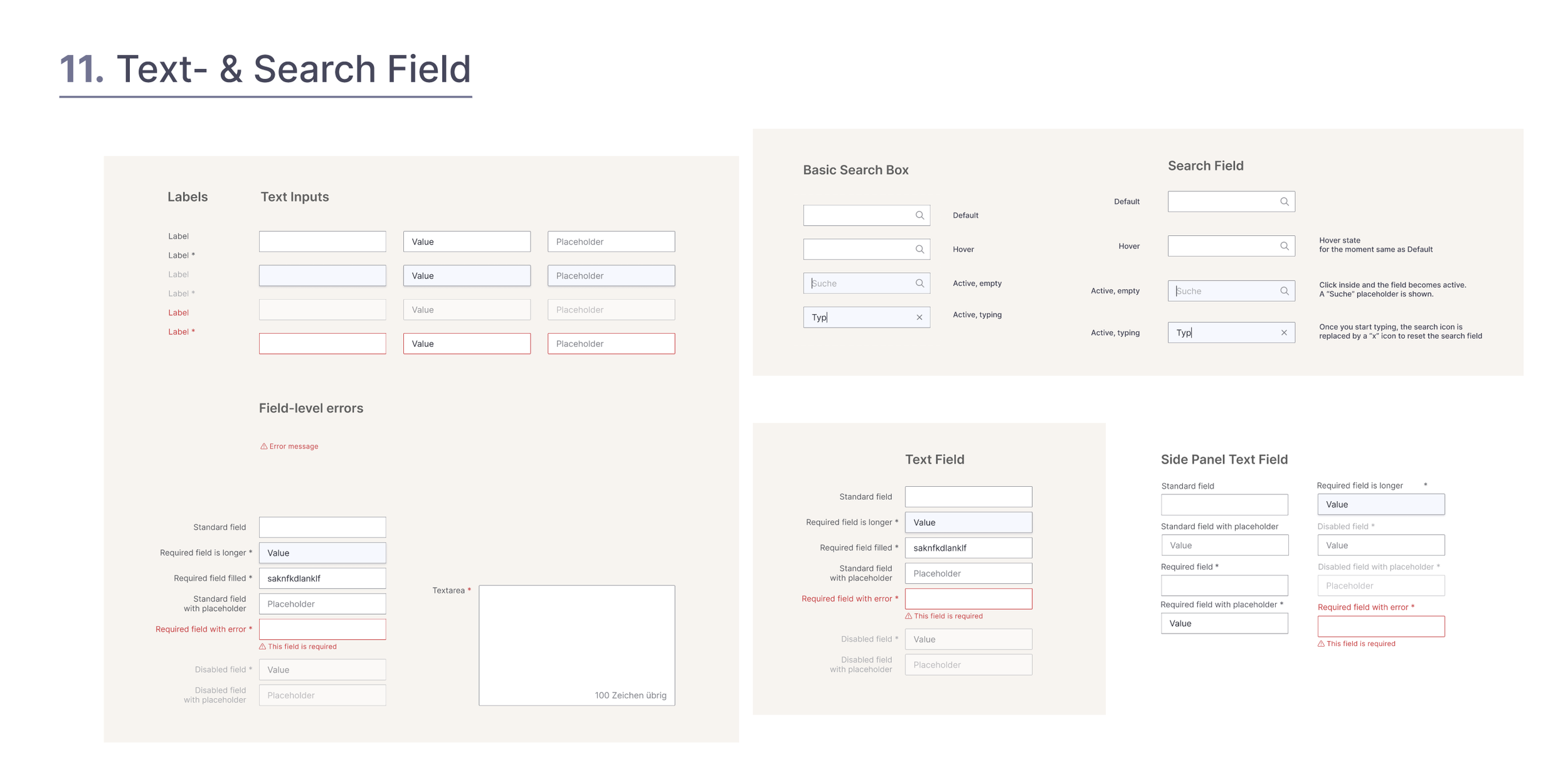
I developed a comprehensive style guide in Figma to establish consistent typography, color usage, iconography, spacing, and component behavior.
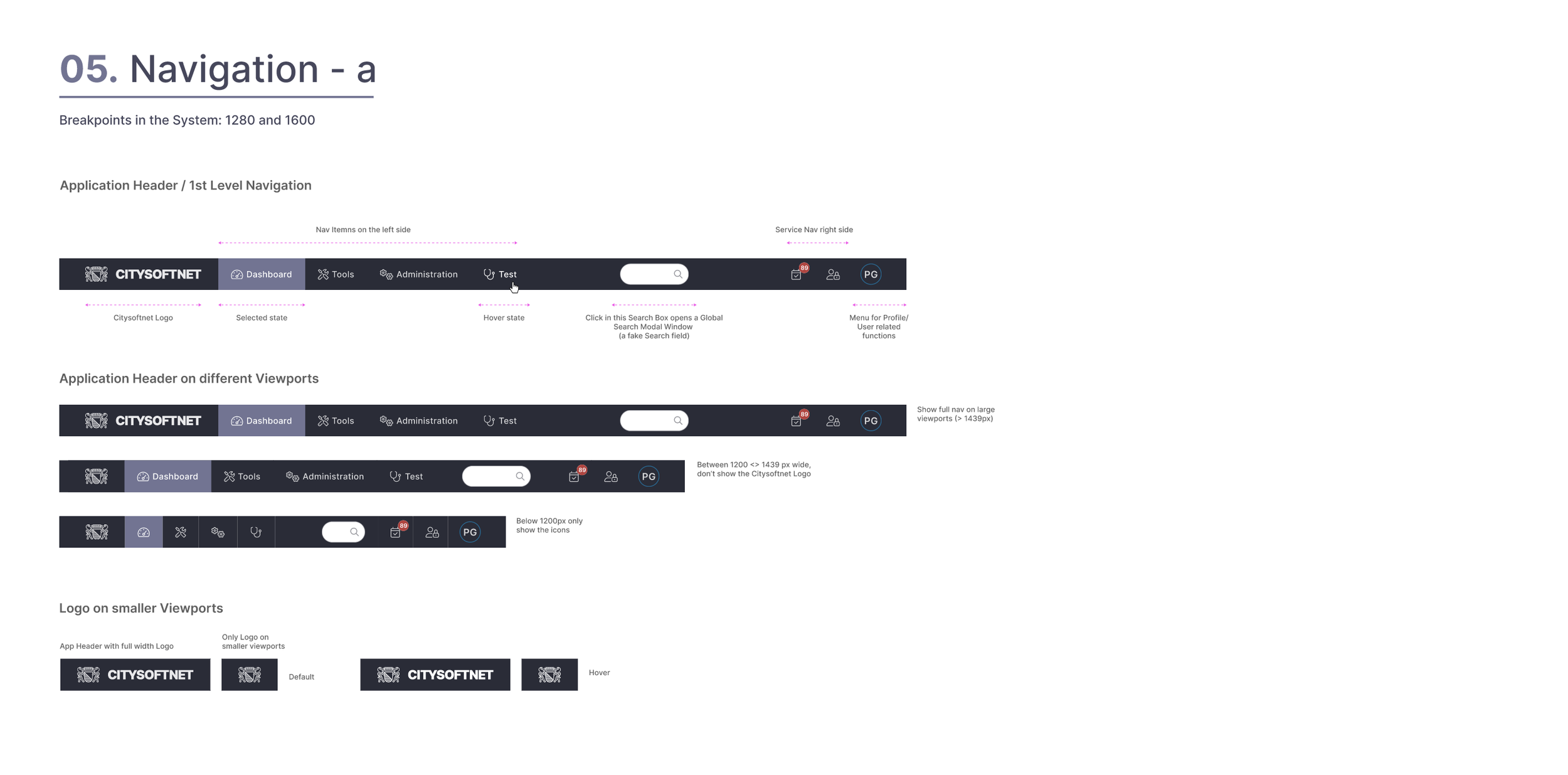
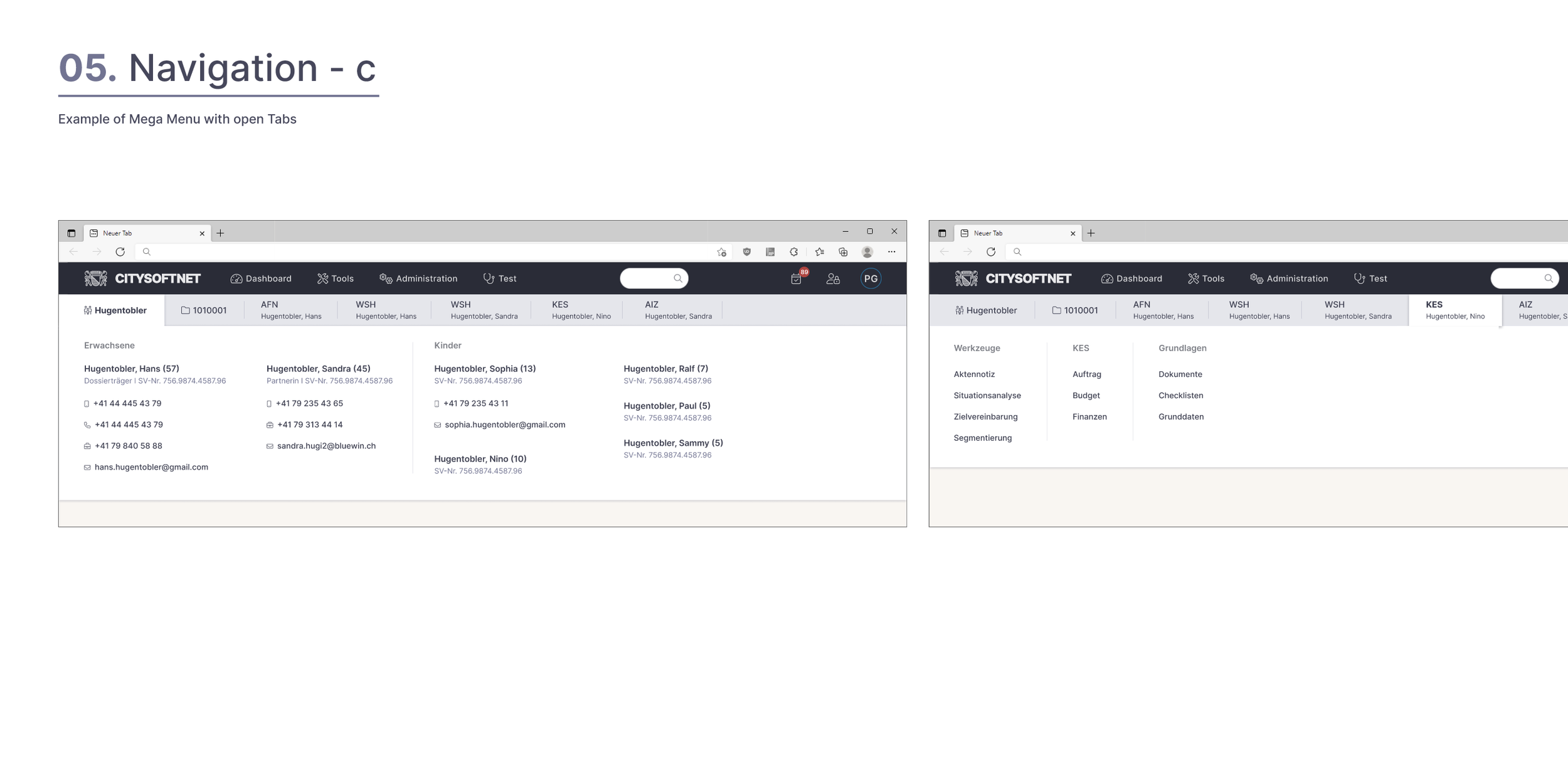
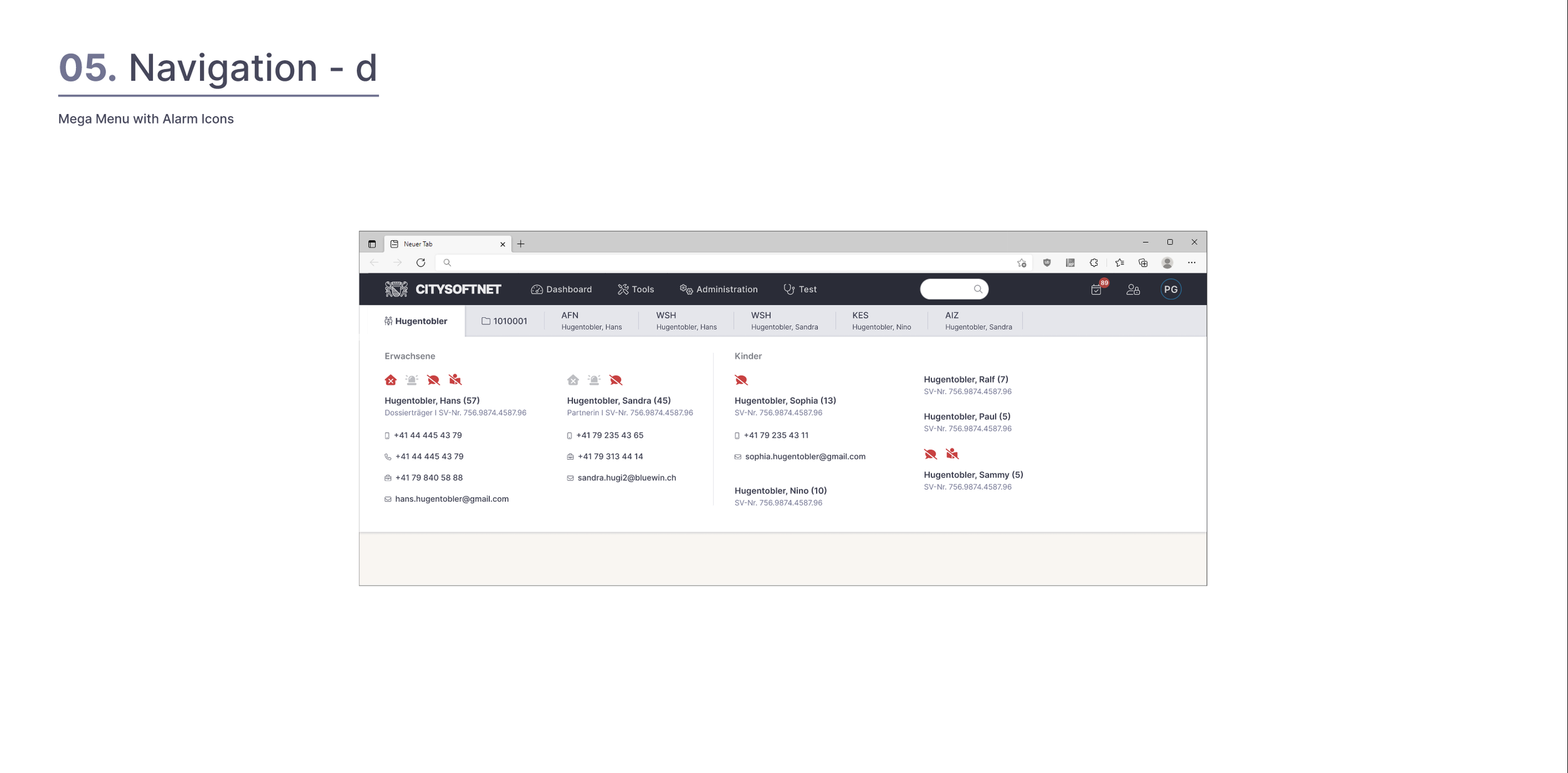
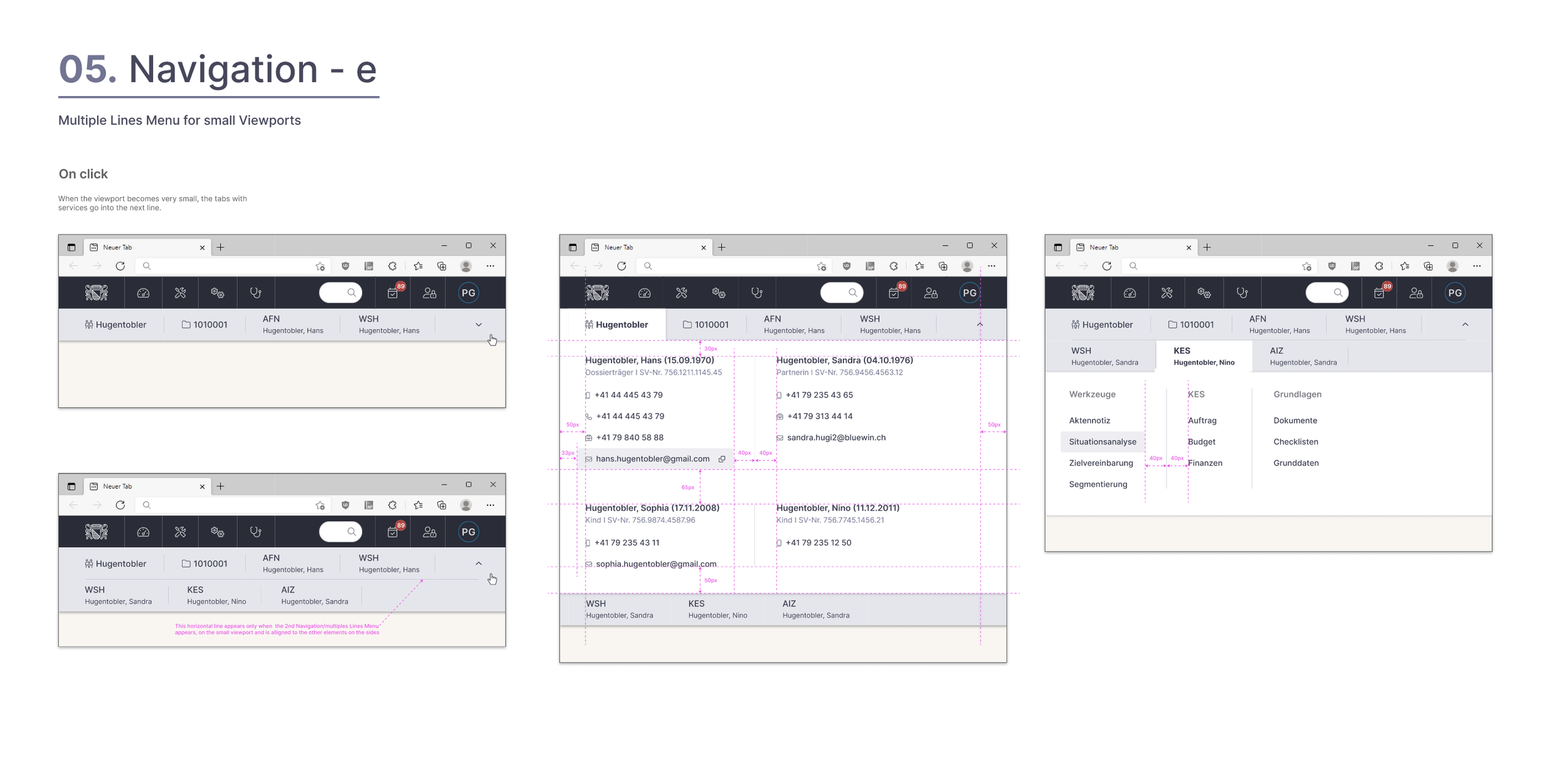
In parallel, the primary navigation was restructured into a unified Mega Menu concept — replacing the previously fragmented model and creating a clearer, more scalable system.
The focus was on reducing cognitive load, improving orientation, and preparing the product for long-term growth.
Style Guide & Mega Menu Concept
A full UI style guide and component system created in Figma to standardize visual language and interaction patterns across the product. The primary navigation was restructured into a centralized Mega Menu, replacing the previously divided navigation model and creating a more coherent and scalable system.
Design Approach
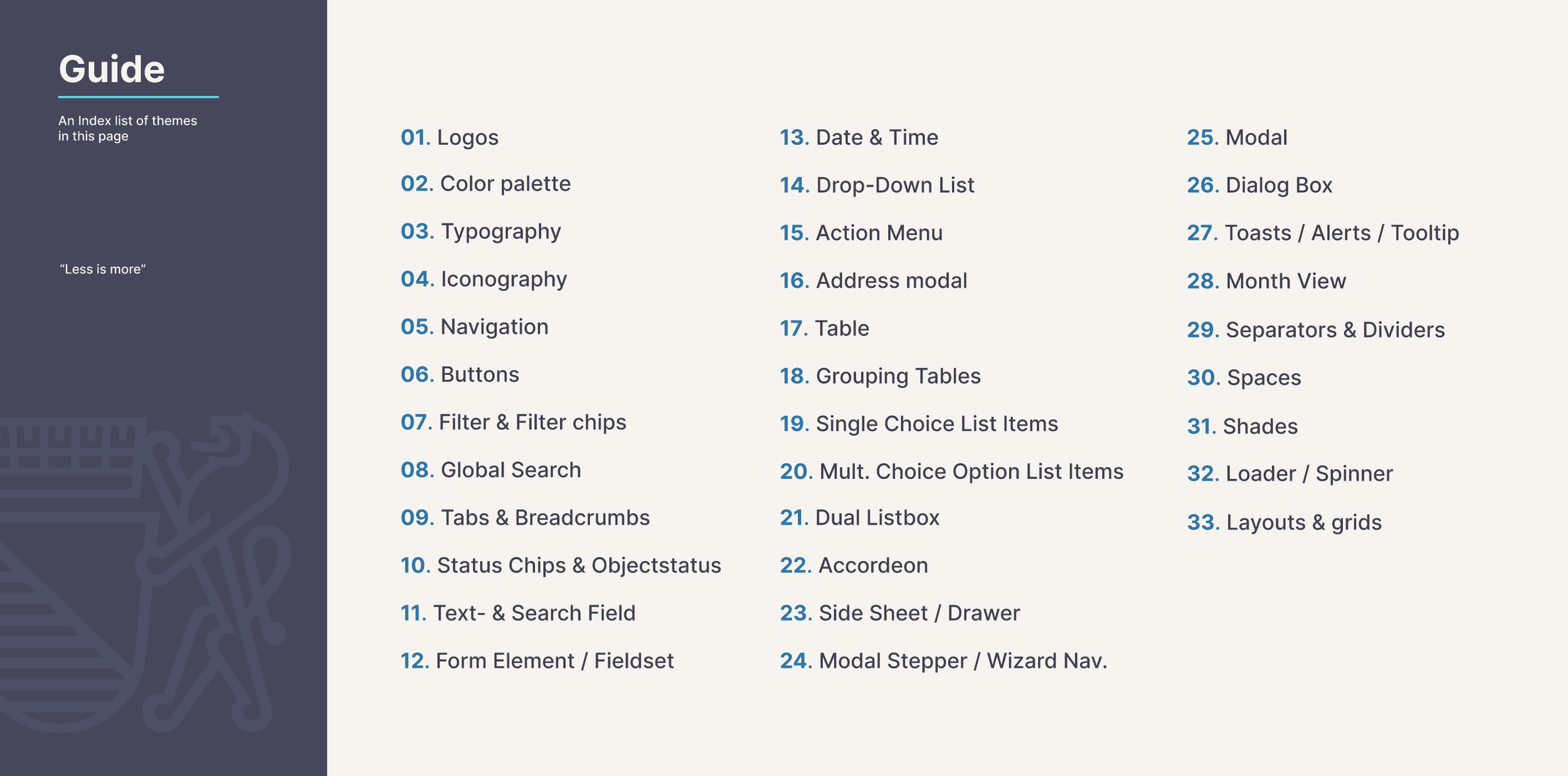
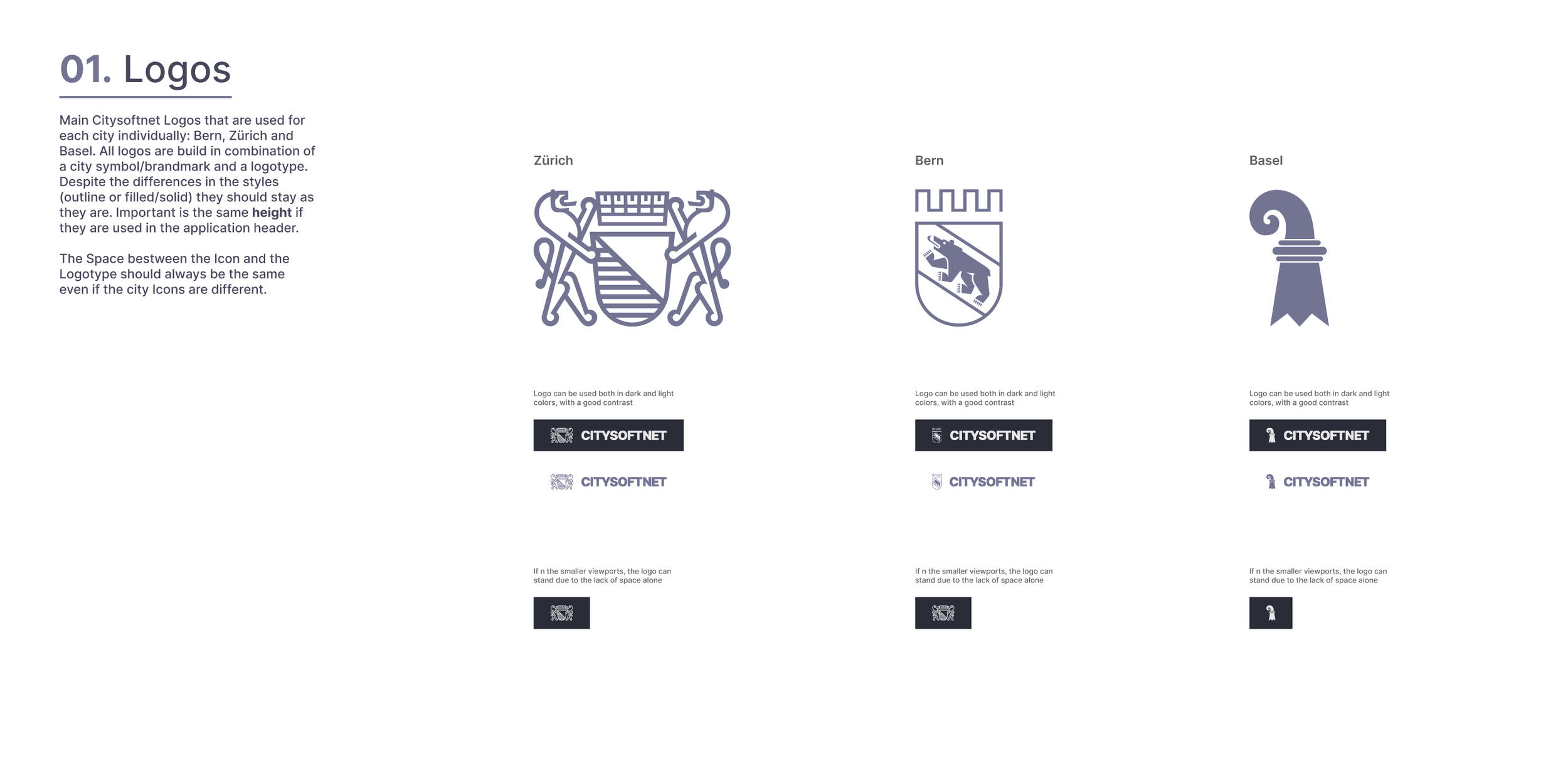
To address these challenges, I developed a structured design system in Figma and re-architected the primary navigation into a unified Mega Menu. The following sections illustrate the system foundations and interaction logic.
Conclusion
This project established the visual and structural foundation for a more scalable product ecosystem. By introducing a centralized style guide and consolidating navigation into a unified Mega Menu, the system gained clarity, consistency, and long-term maintainability.
Key Takeaways
Design systems create product stability and reduce UI fragmentation
Navigation architecture directly impacts cognitive load and workflow efficiency
Early system thinking enables long-term scalability
Even in constrained environments, structural improvements can future-proof a product